Tonight's Lineup: 2014 Valdesil 'Sobre Lías' Valdeorras Godello $ 22.99 / $19.54 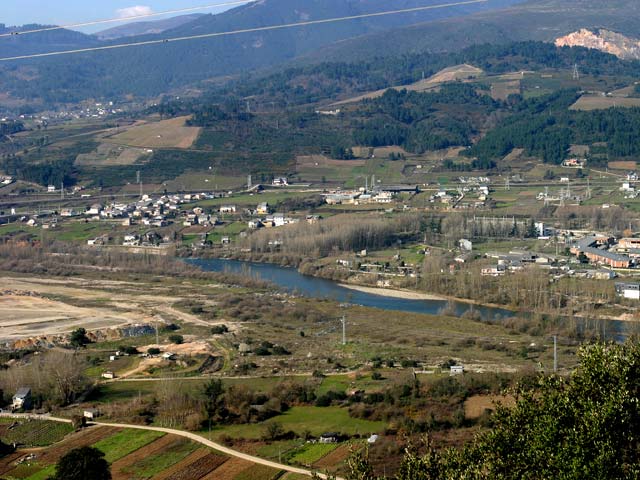 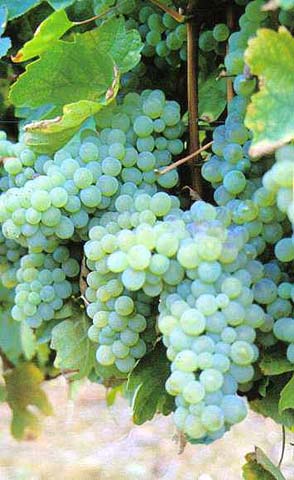
About the Winery In 1885, José Ramón Gayoso planted the first vines of Godello on the small Pedrouzos plot, in the Sil Valley hillsides of pure slate. Gradually, he expanded these small parcels of vines, or ‘pezas’, carefully choosing the best sites around Portela. However, in subsequent years, many of these parcels were sold to other growers, leaving only the Pedrouzos estate in the Gayoso/Prada family. In 2001, the current generation of the family began to buy back the small vineyards which had belonged to their ancestors and today, they have recovered all of those ‘pezas’. The Valdeorras valley is nestled in the highest mountains of the Galicia interior. This area is located in the province of Ourense and is home to just 200 hectares of the Godello variety. Bisected by the Sil River and protected by Galicia’s highest mountains, Valdeorras records both the highest and lowest temperatures in Galicia, together with the lowest rainfall of the area (32-40 inches). These factors, and wide differences between day and night temperatures, guarantee good acidity in the white wines. .JPG)
About the Wine This grape variety is indigenous to Valdeorras and originates from various crosses and graftings on to wild vines carried out by the first Roman settlers, who reached the area through the Vía Nova linking Braga to Astorga. Because it was prone to damp conditions, its planting didn’t stretch as far as the Galician coast and so settled in inland Valdeorras. Because of its low resistance to powdery mildew and botrytis, its sensitivity to excessive hot sunshine, and its tendency to produce naturally low yields, painstakingly careful vine-growing was required. This meant that when bulk wine was in great demand, such as in the 1960s, the planting of other easier non-native varieties was preferred. Around 1975, varietal re-conversion was carried out in Valdeorras to re-establish the Godello grape variety. However, unsuitable rootstocks and unfamiliar clones for the region were often used, resulting in heterogeneity in Godello plantations. This situation explains the very great differences in quality in different Godello wines according to the estate where the grapes are grown. An elegant expression of the Godello variety, this wine is aged on its lees and offers power, personality and long ageing potential in bottle. It is produced with grapes harvested from a selection of vineyards stretching over the slate slopes of Vilamartín de Valdeorras, where favorable altitude and latitude enable a full ripening of this variety. A complex white revealing mineral and fine lees notes and pleasant citrus characters along with delicious unctuousness, nicely balanced by fresh acidity. 2015 Clos Alivu Patrimonio Corsica Rosé of Niellucio $21.99 / $ 18.69 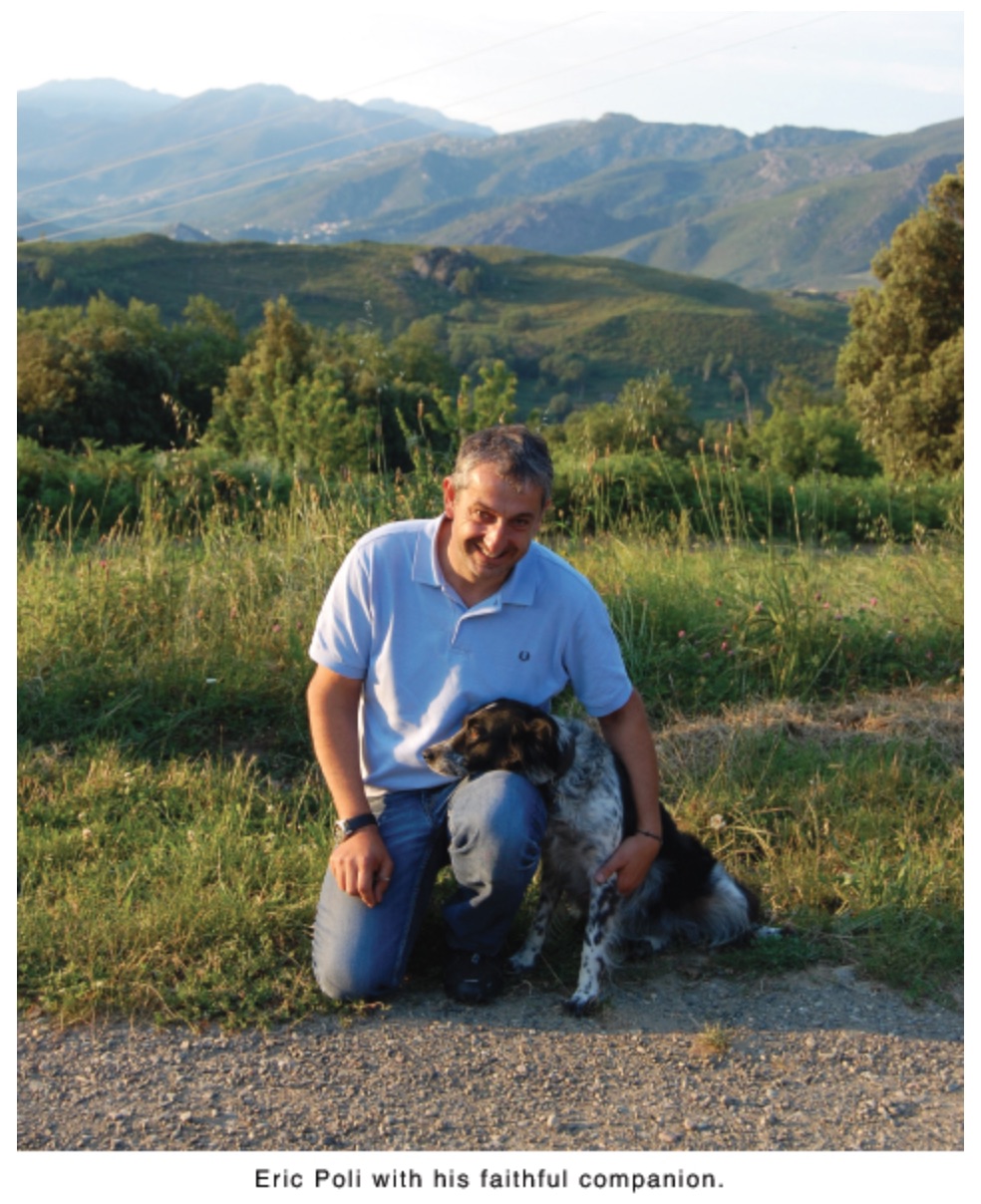 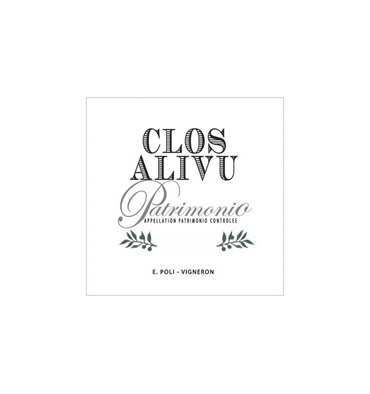
About the Winery Eric Poli and his brother, Antoine, direct Domaine de Piana, the family’s 75-acre estate between Linguizzetta and Bravone on Corsica’s east coast. In 2005, Eric purchased 7.4 acres (3 hectares) of old-vine Niellucio and Vermentino (aka Malvoisie de Corse) on the terraced Poggio d’Oletta in the heart of Patrimonio, the oldest and arguably best appellation on this mountainous Mediterranean island. Eric made his first vintage of Clos Alivu in 2005 in the cellar of his good friend and Oletta neighbor, Yves Leccia (which we have on our shelf, as well), another Patrimonio vigneron who is regarded as a leader in Corsica’s recent crusade for higher quality. Eric is also married to a respected Patrimonio producer, Marie-Brigitte Julliard-Poli of Clos Teddi, whose rosé gives Alivu’s a serious run for the money. .JPG)
About the Wine Protected by the maritime influences of the Golfe de Saint-Florent, vines cultivated on the Petra Bianca soils of Patrimonio’s hillsides rarely require treatments of any kind, so Eric’s practices are essentially organic (though without certification). The Niellucio grape varietal, believed to be related to the Sangiovese grape, thrives in this ideally situated inlet at the north end of the island, and when yields are limited, results in wines with more freshness and finesse than those made from its Tuscan cousin. This freshness is readily apparent in the Clos Alivu Rosé, one of the finest Corsica has to offer. Produced with vines aged over five decades, the terraced soil is composed of unique calcareous limestone and clay. This allows for the Niellucio grape to flourish and develop flavors distinct to the Corsica region. During the vinification process there is not only 100% de-stemming, also the Rosé is produced entirely from direct press juice, then bottled in February after harvest. Neither Rosé or Blanc undergoes malo-lactic fermentation in order to preserve the terroir driven flavors of the juice. 2013 Beran of St. Helena, California Zinfandel $ 32.99 / $ 28.04   About the Winery For Beran (pronounced ‘baron’), they rely on new vineyards along with old-vine plantings. They are fortunate enough to work with some of the most world renowned multi-generation Zin growers in Sonoma County, Napa Valley, Mendocino County, the desolate Sierra foothills of Amador County and other notable Zin regions. For instance, the Saini family has been growing Zinfandel in the Dry Creek Valley since 1917, and the Foppianos have been Sonoma County growers since 1896. On the new side is the dramatic Shannon Ridge Home Ranch in Lake County where a 15-year-old vineyard has been planted at elevations of 2,100 to 2,500 feet in lean, rocky and volcanic soil. Many of the growers’ vineyards are certified sustainable or certified organic. Owner and winemaker Joseph Wagner is fifth generation Napa Valley winemaker and the youngest son of Chuck Wagner, founder of Caymus Vineyards, Joe learned his way around a vineyard long before he was able to drink wine. By the time he was 19, he knew that he would continue his family’s winemaking legacy. He started Belle Glos wines and then followed up with the creation of Meiomi. In 2014, he took the big step of forming Copper Cane Wines & Provisions. Joe and his wife Amber live in Napa Valley with their six children, keeping a healthy balance between family life and a passionate dedication to their shared business venture. Winemaker and Director of Winemaking, John Lopez, grew up in the Napa Valley, where he often spent time with his father who worked alongside the Wagner family, owners of Caymus Vineyards. At first it seemed John’s career path would take him in a very different direction from winemaking as he studied criminal justice at Sacramento State and then went on to work at the Juvenile Probation Department in Napa County. But eventually his heart’s true desire was laid bare. He joined the Wagner family business where he quickly became assistant winemaker for Belle Glos, working closely with Joseph Wagner. John is also a lover of Zin, which makes Beran a particularly fulfilling wine for him to make. .JPG) About the Wine Zinfandel is a unique beast among grape types. While most grape varieties see a drop in fruit quality as they move into old age, Zinfandel vines just keep getting better over the decades—and even well past the century mark. That’s why so many old-vine plantings in California from as far back as the mid-1800s—are still in production and highly sought after. The fruit sources for Beran (shown in the image of the map above) includes new vineyards along with old-vine plantings that deliver the bright fruit and berry character of classic Zin. Beran Zinfandel doesn’t have too much structure and tannin. Instead, these wines satisfy with fruit, spice and an unctuous, rich roundness that makes them easy to drink. Beran California Zinfandel is a true representation of what Zinfandel can offer with the ripeness of the warmer regions and brightness from cooler regions. Grapes picked at optimum ripeness combined with extended fruit maceration over 30 days at times then laid to rest for 12 months in a combination of American and French oak has created a flavor-packed, easy-drinking zin with a soft, supple mouthfeel and balanced acidity. Aromas of sweet cedar, cassis, berry preserves, mocha and sweet tobacco follow through on the palate to flavors of dried cranberry, warm cherry pie, caramel apple and spice. Soft and rich with a fresh acidity and fine grain tannins. Zinfandel is one of the most expressive and distinctive grape varieties and when made well should continue to evolve and improve in the bottle. * * * |



.jpg)