Tonight's Lineup: 2015 Los Bermejos Lanzarote Listán Rosado $24.99 / $21.24  .jpg)
About the Winery Los Bermejos is situated on the slop-side of the Canary Islands. With a landscape that could be considered extraterrestrial, the volcanic ash absorbs any rain that falls (which is a small amount). From there, the water absorbs into the roots of the vines which forms an insulating layer from the sun. In order to combat the winds and other weather conditions of this region, the winery built a four foot stone wall around each crater. The cultivation of the vines is characterized by not having suffered the phylloxera plague, caused by a nematode that wiped out crops on the European continent in the second half of the nineteenth century. Due to this luck on the islands, the varietals that were obliterated everywhere else, are still flourishing there. The combination of the low rainfall, low yields of fruit from the vine, and sunshine makes the winemaking process a true diamond in the rough. .JPG)
About the Wine This wine is terroir driven, with minerality upon first sip. The vines are planted in man-made craters up to four feet deep in the volcanic soil along the Island. This, combined with the distinct climate of the region, produces grapes that have a unique richness. On the nose, one can expect to find aromas of fruits such as strawberries and watermelon, fused with notes of ashy earth (due to the volcanic soil) and espresso. While remaining dry on the palate, this wine produces a complex flavor profile. The mineral-driven juice is matched with refreshing floral tones that will not disappoint. Pairs well with grilled octopus, sashimi, or a charcuterie board (or by itself! :-P). 2013 Domaine Corsin Pouilly Fuissé 'Vieilles Vignes' $34.99 / $29.74 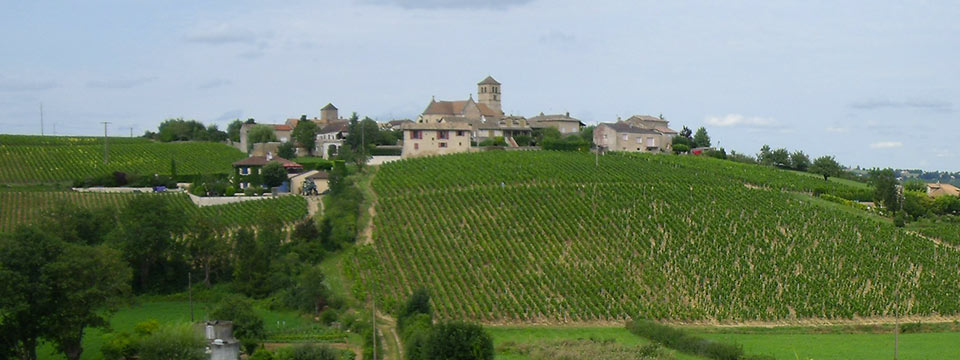 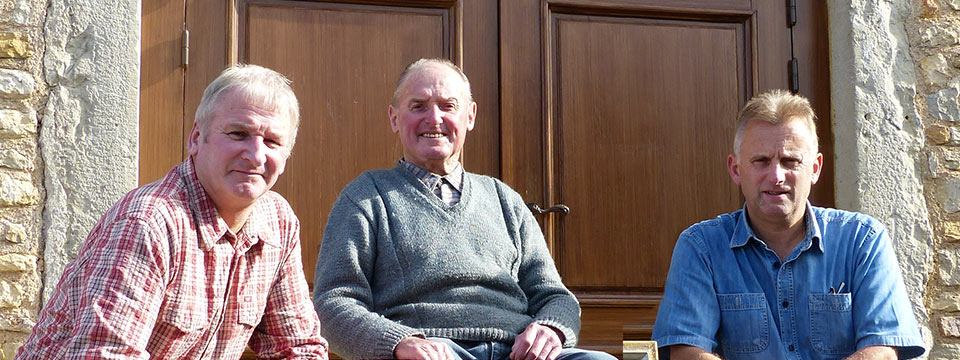
About the Winery Born in 1864 in the heart of the Pouilly vineyards, Joseph Jacquet turned naturally towards the exploitation of the vine and began with 2 hectares. In 1901, his daughter Marie married Francis Corsin, vine grower in his own right and owner of 2.5 hectares in Davayé. Their son, Joseph Corsin continued the family work whose domaine is now spread over three communes: Davayé, Fuissé and Solutré. In 1935, after the creation of the A.O.C., he provided a decisive impulse for the future of the business: he was among the first to market part of his production in bottles, as Pouilly-Fuissé and Mâcon blanc. At the same time, he developed a broking activity for renowned traders one of whom was an importer of fine-wines in the United States. From then on the Corsin Domaine took on an international dimension from Tokyo to New York and its wines won many prizes. His son André Corsin continued the adventure. In 1971, at the birth of the Saint-Véran appellation, André extended the exploitation to the commune of Davayé and acquired new vineyard-plots in Pouilly-Fuissé. His two sons, Jean-Jacques in 1974 and Gilles in 1983, joined him in the family which was to be developed and now covers13.6 hectares. Today, this fifth generation passionately perpetuates the family know-how, the stamp of the white wines of the Corsin Domaine for over a century. 
About the Wine With vineyards mainly exposed to the east, the soils are alternately composed of loam and limestone on the surface and complex clays underground. The Chardonnay vines are rooted at an altitude of between approximately 720 to 850 feet (220 to 260 meters) according to the vineyard plots which are situated around the villages of Fuissé and Solutré, and the hamlet of Pouilly. The average age of the vines is 55 years. This means less yield on each vine, however the fruit that is produced is much more concentrated and full of flavor. Harvested manually by hand, the wine is aged in 40% oak barrels (20% of which are in new oak) for around ten months. The blending of the oak and stainless steel juices are then combined and home-bottled at the end of the summer following the harvest. The Corsin Domaine’s Pouilly-Fuissé ‘Vieilles Vignes’ displays a bright golden color with hints of green hues. The subtle bouquet is shown with woody-vanilla notes that enhances the slightly sharp, sophisticated fullness on the palate. The juice is mingled with a generous underlying impression of toasted bread. A Burgundy wine full of character. 2011 Côte Bonneville Yakima Valley Syrah $29.99 / $25.49
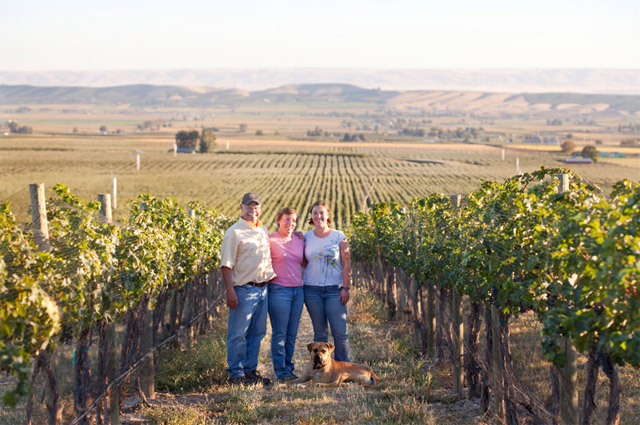 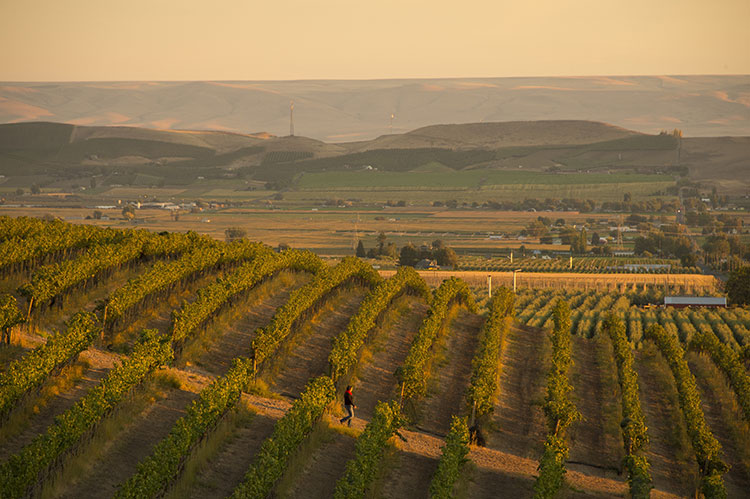 About the Winery Recognizing the uniqueness of DuBrul Vineyard, Côte Bonneville was founded in 2001 by Kathy and Hugh Shiels in order to showcase this special place. At the time, a quality focused, estate winery was rare in Washington State. By vinifying grapes from each varietal and block in DuBrul, (producing around 2,500 cases per year), the Shiels are able to show the range of wines and terroirs within the vineyard, while maintaining the exceptional attention to detail to each and every lot. Their daughter Kerry has taken the bull by the horns for the winemaking operations. By combining traditional winemaking techniques with cutting edge science, Kerry has learned through her experiences how to combine the best of both worlds. She received her Masters degree in Viticulture and Enology from U.C. Davis, then assumed the winemaker title in August, 2009. Shiels has been immersed in the vineyard and winery since 2005, under Stan Clarke’s tutelage and Co Dinn’s mentorship. Kerry worked the 2006 vintage at Joseph Phelps Vineyards in Napa, the 2007 harvest at Tahbilk in Australia, followed by the 2007 vintage at Folio, Michael Mondavi’s Napa winery. During the 2008 harvest, Kerry served as the assistant white winemaker to Rich Arnold at Robert Mondavi Winery in Napa. She worked the antipodal harvest at Tapiz in Argentina in 2010, then returned to work full time at Côte Bonneville.  About the Wine The Syrah vines are planted in shallow silt-loam soil on a steep slope (15-30%) which faces southwest at 1,300 feet elevation. The soil is well drained, with low available water capacity. It is formed in wind driven loess, underlain by basalt. The upper portions of the rows yield small berries and small clusters, while at the lower portions deeper soils have accumulated, producing larger berries and larger clusters. The lower grapes flesh out the intense core of the upper fruit. 2011 was a cool year in the DuBrul Vineyard, yet full ripening occurred. Huckleberry, marionberry, dark cherry and spice are prevalent on the nose, and are accompanied by white pepper, violets, and mineral notes on the palate. Deep purple in color, this wine demands attention as soon as it is poured in the glass. The purity of fruit and length of finish are testaments to the hillside vines. An excellent pairing with roast duck, rack of lamb with cherry gastrique, or triple chocolate terrine. French oak aged for approximately 20 months, 143 cases produced. * * * |
Cocktail Recipe of the Week: The French (47)75 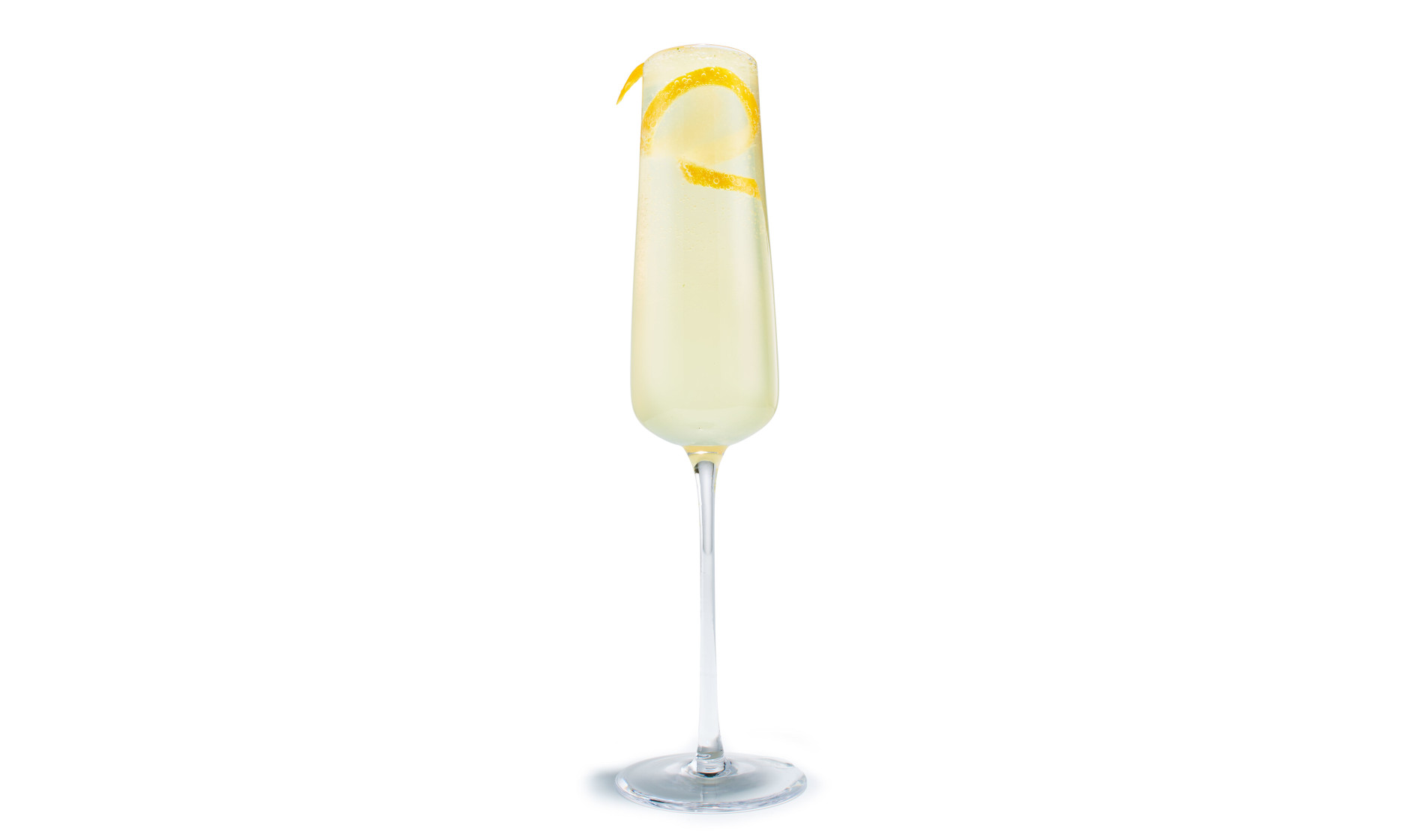
We have a new gin in the shoppe, Monkey 47, and its hot, hot, hot! We re-named this cocktail in honor of this monkey business. Gin and Champagne make a bubbly, fun duo we could simply not pass up. Tip: Garnish with a long spiral lemon twist to add a special touch and impress your guests For the full recipe, click here! * * * Cheese of the Week: Fromager d'Affinois .jpg)
This French innovation may look like pudgy brie, but it's actually much creamier. The mild, buttery flavor has a sweetness that goes very well with champagne and fresh fruit. Fromager d'Affinois may remind you of a triple-creme, so loaded it is with silky fat. But that texture is achieved by ''ultra filtration,'' which breaks down the fat molecules in the milk in order to further disperse them through the paste. The result is a thick, nearly whipped spread of tangy, milky goodness. * * * Have a wonderful weekend and thank you for your continued support! Cheers! -All of us at Tewksbury Fine Wines |